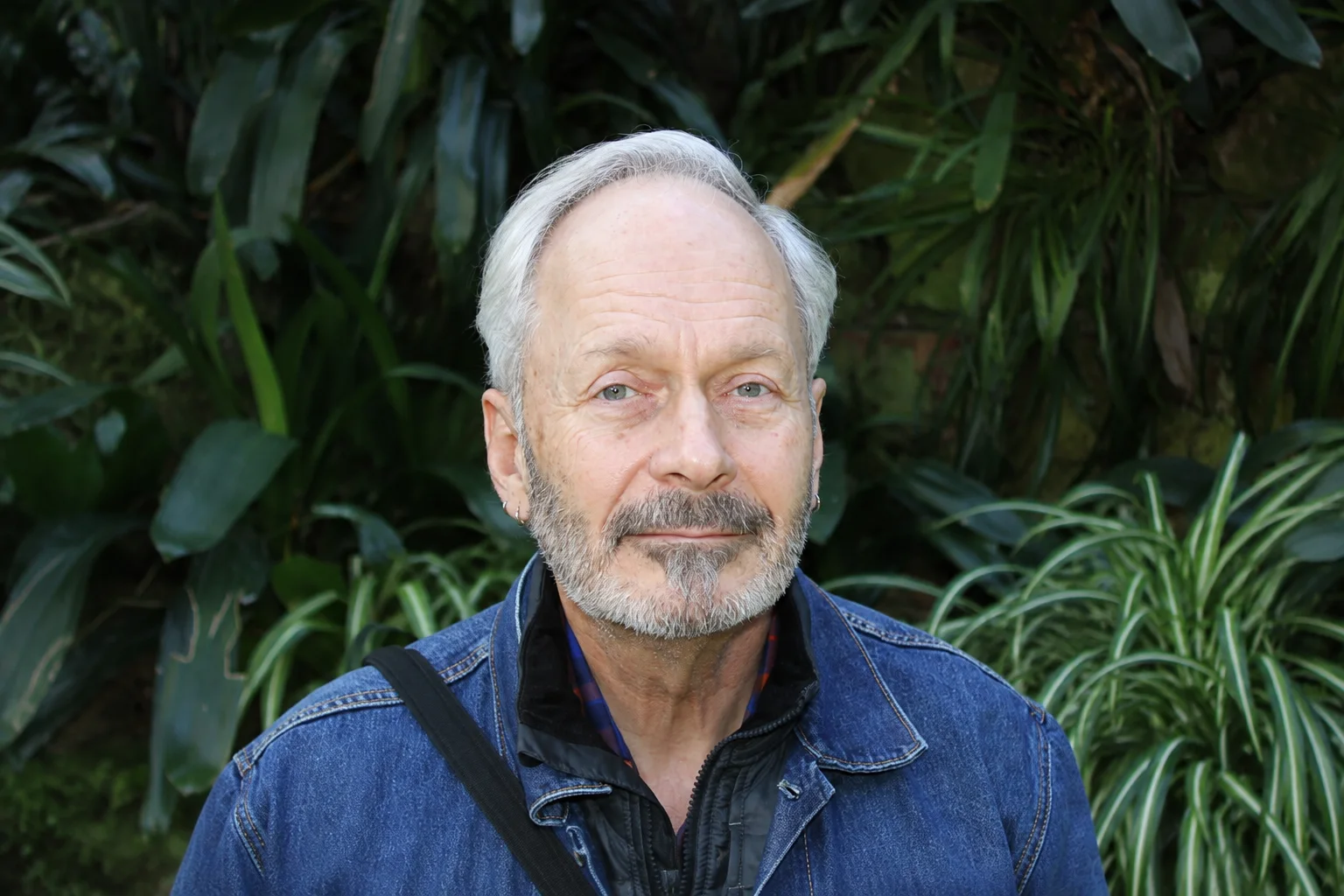
Writing a biographical statement is a curious undertaking for someone whose life has been shaped by self-inquiry and the gradual loosening of fixed identities. What seems most important is not a list of accomplishments, but the way a life of contemplation, service, and crossing cultures has prepared me to accompany others at the thresholds of change.
This is the spirit of care with which I meet people: here, now, and without judgment.
Growing up in Little Rock, Arkansas, during the racial turmoil of school integration made me acutely aware of the ways perceived differences are used to divide people. In high school, I was barred from campus after refusing to stand for the school song “Dixie,” which was presented alongside the Confederate flag. I completed my education through correspondence and a curriculum I helped shape for myself.
That experience influenced my later work as an educator and international-development practitioner. Living and working in more than 45 countries deepened my understanding that human beings share far more than the identities and circumstances that appear to separate us.
End-of-life work has emerged from a lifelong inquiry into meaning, purpose, identity, and service. I think of this work as meditation beyond the meditation cushion: an embodied practice of listening, humility, and compassionate action.
My role is not to create a particular kind of death. It is to help create conditions in which a person can be heard, supported, and accompanied as fully as possible. Peace may come, but peacefulness is not a requirement for a meaningful or dignified death.
Companioning people at the end of life has become a natural continuation of my life’s course – one that continues to teach and change me.