When someone dies, it can be one of the most challenging experiences in life. It’s a time of mourning, and family and friends in the circle of friends may want to think about some ways of coping with the loss and showing respect for the person who is gone. Memorial Services are an opportunity for people to come together to remember and celebrate the life of someone they loved.
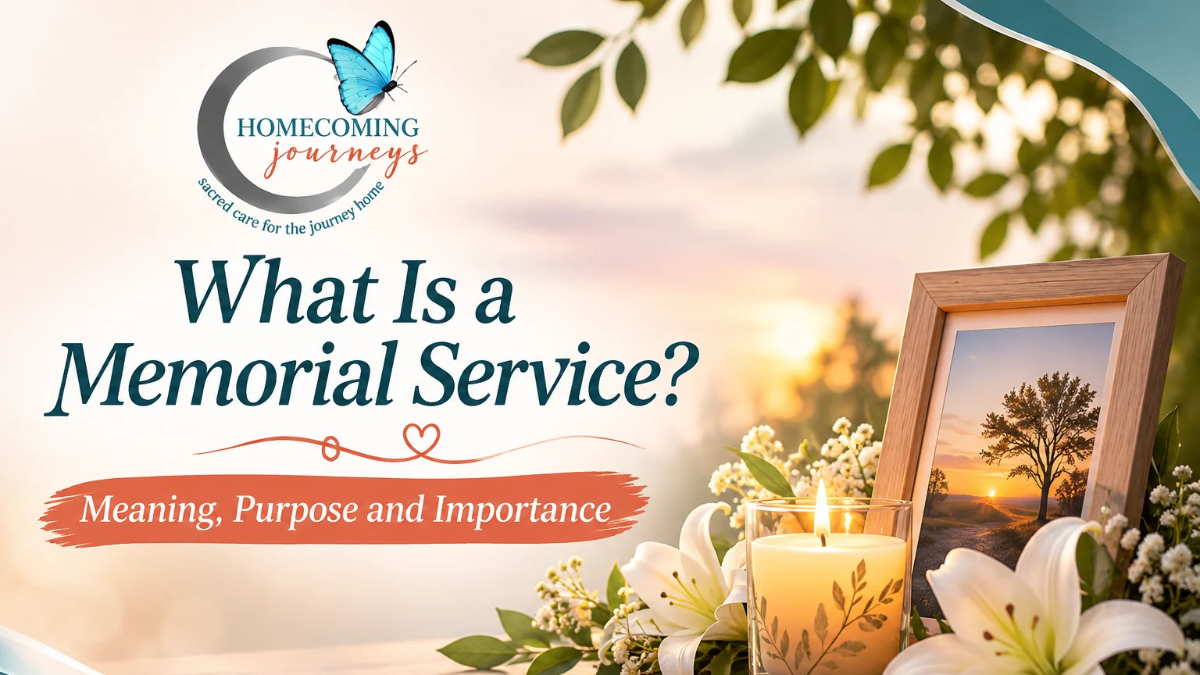
A memorial service is when family, friends, and community honour and remember the life of a loved one through rituals, tributes, speeches, readings, and music. It provides an atmosphere in which people can share their feelings and contemplate the experiences they had together.
Memorial service is like a funeral service, but without the presence of the casket or the body of the deceased. It can be performed right after death or weeks, months after the death as per family’s choice.
What Does It Mean to Have a Memorial Service?
Memorial service, a ceremony or meeting in honour of a deceased person. This is mostly to bring together people who loved and knew the person with the family and friends and share their memories of the person and how he or she impacted them.
People will also ask the question, “What is a memorial service?” If they ask the question, others might ask, “What is different about a memorial service from a funeral service?” Memorial Services are more flexible in time, place and form than interments. It can be religious, spiritual or simply non-religious.
This is a meeting that may be held in a number of different formats. Families are encouraged to include prayers, songs that were loved by their loved one, photographs, personal stories and/or special traditions that reflect their loved one’s personality and wishes.
Why Do We Have a Memorial Service?
Memorial Service is NOT a formal activity! It offers an opportunity for them to mourn and to recognize and remember what is important to them in the memories and relationships they have.
Some of the functions are as follows:
- Respecting a Person’s Life: Remembrance of personality, achievements, relationships, experiences.
- Sharing Memories: Providing family/friend chances to share their personal memories and special moments.
- Helping Other People: To offer people a place to relate and comfort.
- Expressing Emotions: Give space to sadness, thanking, Love and other feelings.
- Making a Tribute: Collecting music, pictures, readings and personal traditions.
Enabling the families to understand what a memorial service is, can help them realize that there is no set format to the service. It should be meaningful, appropriate and relevant to individuals involved.
How Does a Memorial Service Work?
Memorial services are organized according to the wishes of the family, their cultural and religious backgrounds and their values. Some serve formal and others informal meetings.
A typical memorial service will consist of:
1. Greetings and Introduction
It is possible that the event begins with a family member, celebrant, close friend or spiritual leader welcoming everyone. They may make some brief remarks about the person remembered.
2. Sharing Personal Memories
Family and friends can share their memories of the deceased. The stories may be sad, uplifting or humorous, and they will help everybody to remember the person’s life and personality.
3. Readings, Poems or Prayers
Some families choose poems with significance, religious quotations, thoughts of the spirit or personal writing. These readings will be comforting and will convey emotions that are hard to express.
4. Music and Photographs
The music, photos and video of family and favorite songs can have a big impact on the event. They can be used to create a personal memorial and to remind guests of special memories.
5. How to Obtain a Retainer
Closing words, a prayer or a moment of silence may be used at the end of the service. Visitors can then spend time with the family, discuss memories and offer assistance to the family as well.
Memorial Services and Funeral Service – What’s the Difference?
Often there is a confusion between the terms ‘funeral’ and ‘memorial service’; in fact, they’re not the same.
| Feature | Memorial Service | Funeral Service |
| Body or casket | Usually not present | Often present |
| When | May be done afterwards | Is typically done closer to the time of death |
| Location | Is flexible | Usually takes place at a funeral home or place of worship |
| Learning Activity | Formal or informal | Usually in a traditional format |
| Personalisation | Is very flexible and may contain personal tributes |
In both cases it is possible to celebrate a deceased person. This will be based on the wishes of the deceased and family preferences and traditions.
Where Will the Memorial Service Be Held?
One benefit of a memorial service is that it may be held at a significance place to the family.
Common options include:
- Place of Worship: Any spiritual place, such as a church, a mosque or a synagogue.
- Family Home: This is where family members can go and be comfortable and feel safe.
- Community Hall: More room for larger meetings.
- Garden or Outdoor Space: A peaceful natural place of remembrance.
- Important to the Person Remembered Location: Meaningful place that was remembered.
When looking for a location, take into account access, family size accommodations, preferences and what the family wants the atmosphere to be.
Creating a Meaningful Memorial Service May Be a Difficult Task
Planning a memorial service can be difficult when coping with the loss. It’s easier to do this one step at a time.
- Consider What Kind of Event You Would Like: Religious, spiritual, non-religious, formal or informal?
- Choose a Date & Location: Choose a date and location that will be convenient for family members and guests.
- Send Invitations: Send a message, email, call family/friend or print out an invitation.
- Make the Ceremony Personal: Share photos, favourite music, readings or personal stories that are significant to the person’s life.
- Make Practical Arrangements: These include seating, refreshments, accessibility and other arrangements. Friends and family can also be of assistance.
Frequently Asked Questions
1. What Are the Purpose and Meaning of a Memorial Service?
Memorial service – a meeting is held in memory of someone that died. It provides family and friends opportunities to share memories, feelings and to support each other.
2. Are Memorial Service and Funeral Services the Same?
No. Memorial services are usually held without the casket or the deceased, a funeral is usually held with the deceased or casket present. They can consist of reading, music, prayers, and personal eulogies.
3. How Long Usually Is a Memorial Service?
The typical memorial service time is 30 minutes to two hours, depending on the number of speakers, readings and activities.
4. If You Don’t Have a Religious Memorial Service, What About?
Yes. Personal memories, music and photographs, and shared experiences can be used to create a completely non-religious event for families.
5. What Is the Best Time for a Memorial Service?
There are no designated dates. Some families organize it soon after the death, some families wait for few weeks or months so that the relatives and friends can attend.
6. Is It OK to Cry at a Memorial Service?
Absolutely. Loss of a loved one is a time of sadness and emotion and it’s okay to cry. The way that we grieve varies from person to person.
Final Thoughts
When making thoughtful decisions during a difficult time, a memorial service is an understanding of what it is that can help. It’s an opportunity to honor somebody who cherished it, share wonderful memories and bring a community together through remembrance.
There are no right or wrong answers for remembering. A gathering may be and is simple, personal, spiritual, traditional, totally unique. The most important thing is to provide a place that is the person’s space and where those who cherish him/her can meet.
At Homecoming Journeys we know how important it is to be present with one another, listening and supporting each other in your experience. If you or your family would prefer to be supported and guided at the end of life, please contact Homecoming Journeys and discover more about our services and make a free 45 minute consultation appointment.